
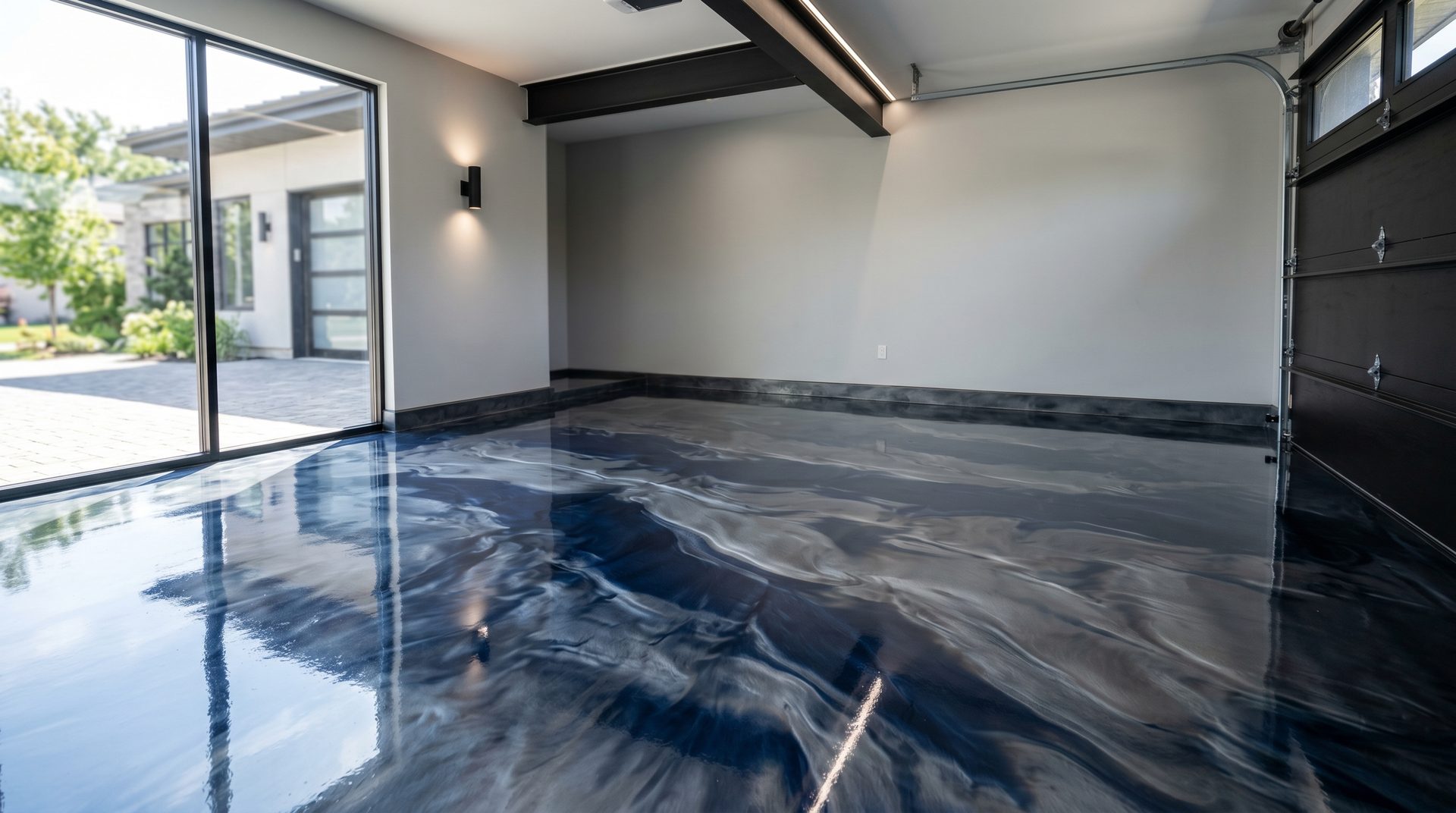
One-day turnaround
Polyaspartic cures fast. In the right conditions we can grind, coat, and have you walking the same day and parking soon after.
Polyaspartic Coatings · 1-Day Install
Polyaspartic is the fast-cure, UV-stable coating system you reach for when you can't lose the space for a week — and when you want a topcoat that flexes instead of chipping. Often installed in a single day, it's the honest answer to 'what's stronger than epoxy?'
Why Polyaspartic
It isn't always the answer — but when speed, sunlight, or impact matter, it wins.
Polyaspartic cures fast. In the right conditions we can grind, coat, and have you walking the same day and parking soon after.
Unlike many epoxies, polyaspartic is UV-stable — ideal for sun-exposed garages, entries, and spaces with big windows.
It's more flexible than epoxy, so it shrugs off impacts and resists chipping at edges and joints.
It sets in lower temperatures than epoxy — useful for Northwest winters and unheated garages.
We often pair an epoxy base coat for thickness with a polyaspartic topcoat for speed and UV stability.
Fast cure never means skipped prep. The slab is diamond-ground first, every time.
Epoxy vs Polyaspartic
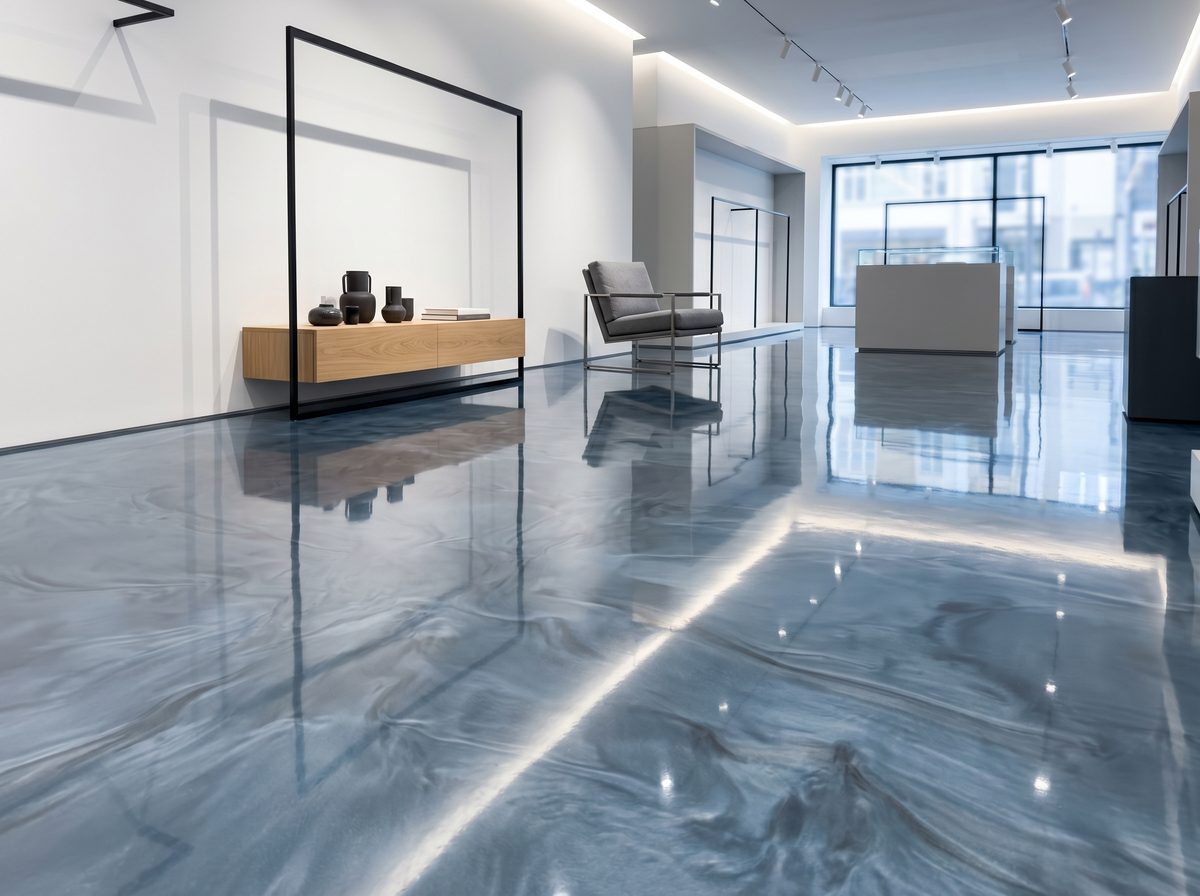
You'll see ads claiming a coating that's '20x stronger than epoxy.' The honest version: epoxy builds a thick, hard, affordable base; polyaspartic adds speed, UV stability, and flexibility on top. The best floors usually use both. We'll tell you straight which system — or combination — fits your slab, your timeline, and your budget.
Polyaspartic FAQ
It's tougher in some ways — more flexible, more impact- and UV-resistant — but epoxy builds a thicker, harder base. They're partners, not rivals. The strongest floors use both.
Often, yes. Polyaspartic cures fast, so many residential floors are a single-day grind-and-coat. Bigger or damaged floors may need more time — we'll tell you up front.
The material costs more and the install is more time-sensitive. You're paying for speed, UV stability, and flexibility — worth it when those matter, skippable when they don't.
No — UV stability is one of its biggest advantages. It's the system we recommend for sun-exposed floors specifically because it won't amber over time.
Free, No-Pressure Estimate
Tell us about the floor and your timeline — we'll come back with a clear, written estimate and the right system for the job.
Prefer to talk now? Call (360) 593-0931